




Stress is often thought of as a mental or emotional experience, but its effects don’t stay in the mind. For many people, stress shows up physically, through aches, fatigue, and unexplained discomfort. What makes this confusing is that these symptoms often feel like signs of illness. People may visit doctors, run tests, or worry about serious conditions, without realizing that ongoing stress could be the underlying cause. Understanding how stress affects the body can bring relief, clarity, and a sense of control.
Table Of Content
- How Stress Affects the Body
- Muscle Tension and Body Aches
- Where Stress-Related Tension Often Appears
- Headaches and Pressure Sensations
- Digestive Issues and Gut Discomfort
- Stress-Related Digestive Symptoms
- Fatigue That Doesn’t Improve With Rest
- Sleep Problems and Restlessness
- Common Stress-Related Sleep Issues
- Chest Tightness and Shallow Breathing
- Skin Changes and Sensitivity
- Why These Symptoms Are Often Misunderstood
- How to Support the Body Under Stress
- Simple Supportive Practices
- When to Take Symptoms Seriously
- Frequently Asked Questions
How Stress Affects the Body
When the body perceives stress, it activates the nervous system’s “fight or flight” response. This response is useful in short bursts, but when stress becomes constant, the body never fully relaxes. Over time, this continuous stress response begins to affect muscles, digestion, sleep, and energy levels. To understand why this happens, it helps to first understand what stress really is and how the body is designed to respond to pressure.
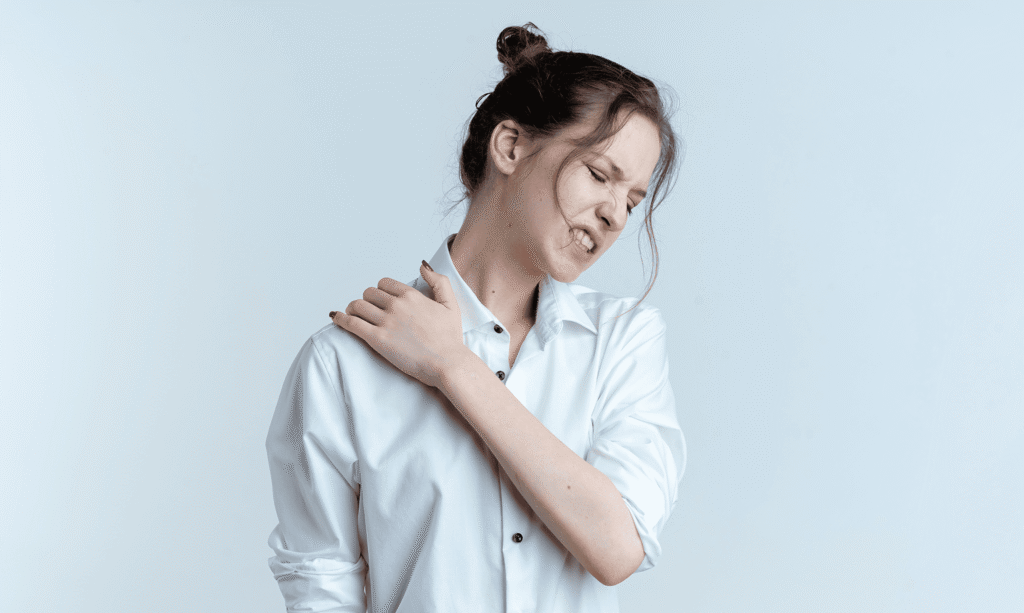
Muscle Tension and Body Aches
One of the most common physical symptoms of stress is muscle tension.
Where Stress-Related Tension Often Appears
- Neck and shoulders
- Jaw and face
- Upper back
- Lower back
Stress causes muscles to tighten unconsciously. When this tension becomes habitual, it can lead to stiffness, soreness, and pain that feels similar to a physical injury. Many people don’t realize their body is holding stress until the discomfort becomes persistent.
Headaches and Pressure Sensations
Frequent headaches are another common sign of stress. Stress-related headaches often feel like:
- Tightness around the head
- Pressure behind the eyes
- Dull, persistent pain
These headaches are often linked to muscle tension, mental fatigue, and lack of proper rest. They may come and go, making it difficult to identify a clear cause. When stress headaches become regular, they can significantly affect daily focus and productivity.

Digestive Issues and Gut Discomfort
The digestive system is highly sensitive to stress.
Stress-Related Digestive Symptoms
- Stomach pain or cramping
- Bloating or gas
- Changes in appetite
- Irregular digestion
Stress affects how the gut functions, slowing or speeding digestion depending on the individual. This gut-brain connection explains why emotional stress often feels physical in the stomach. Persistent digestive discomfort without a clear medical explanation is often linked to ongoing stress or anxiety.
Fatigue That Doesn’t Improve With Rest
Feeling tired all the time is one of the most overlooked physical symptoms of stress. Unlike physical exhaustion, stress-related fatigue:
- Persists even after sleep
- Feels mental as well as physical
- Makes simple tasks feel draining
This happens because stress keeps the nervous system active, preventing true mental recovery. Over time, this constant activation leads to mental overload and reduced energy. Many people experiencing this type of fatigue also struggle with decision fatigue, where even small choices feel exhausting.
Sleep Problems and Restlessness
Stress often interferes with sleep quality.
Common Stress-Related Sleep Issues
- Difficulty falling asleep
- Waking up frequently
- Feeling unrefreshed after sleep
When the mind remains active at night, the body struggles to enter deep rest. Poor sleep then increases stress sensitivity the next day, creating a repeating cycle. Sleep problems are often one of the earliest signs that stress levels are too high.
Chest Tightness and Shallow Breathing
Stress can also affect breathing patterns. Some people experience:
- Tightness in the chest
- Shortness of breath
- Shallow or rapid breathing
These sensations can feel alarming, especially when they appear suddenly. While they often aren’t dangerous, they signal that the nervous system is under strain. Learning to slow breathing and relax the body can significantly reduce these symptoms over time.
Skin Changes and Sensitivity
The skin often reflects internal stress. Stress may contribute to:
- Acne flare-ups
- Itchiness or rashes
- Increased sensitivity
When stress hormones remain elevated, they can disrupt normal skin processes. While skincare routines help, addressing mental stress often leads to noticeable improvements.
Why These Symptoms Are Often Misunderstood
Stress-related physical symptoms can mimic illness because they are real physical sensations — not imagined or exaggerated. However, when medical tests don’t reveal a clear cause, stress is sometimes overlooked. Recognizing stress as a physical experience helps reduce fear and encourages healthier coping strategies. Understanding the connection between constant stress and physical symptoms brings reassurance and direction.
How to Support the Body Under Stress
Reducing stress-related physical symptoms doesn’t require drastic changes. Gentle, consistent habits can help calm the nervous system.
Simple Supportive Practices
- Stretching tense muscles daily
- Gentle movement like walking
- Mindful breathing exercises
- Regular sleep routines
- Reducing daily mental overload
These practices help signal safety to the body, allowing it to relax and recover. For practical ideas, explore Simple Mental Wellness Routines That Actually Work and Simple Daily Habits That Reduce Mental Stress. (Image idea: Calm daily wellness routine visual)
When to Take Symptoms Seriously
While stress can cause physical symptoms, persistent or severe discomfort should never be ignored. If symptoms worsen or interfere with daily life, seeking professional guidance is important. Listening to the body with awareness is a key part of mental wellness.







No Comment! Be the first one.