




Everything Is Finally Quiet… So Why Doesn’t Your Mind Feel the Same?
Table Of Content
- What You'll Learn in This Guide
- Relaxation Doesn't Happen Automatically
- Your Brain Can Get Stuck in Problem-Solving Mode
- Being Physically Still Isn't the Same as Being Mentally Relaxed
- Why High Achievers Often Find Relaxation So Difficult
- Chronic Stress Can Change What Feels "Normal"
- Early Signs That Your Mind Is Struggling to Switch Off
- 8 Hidden Reasons Your Mind Refuses to Switch Off
- 1. Your Nervous System Still Thinks You're Under Pressure
- 2. You've Become Accustomed to Constant Stimulation
- 3. Productivity Has Become Part of Your Identity
- 4. Your Brain Is Constantly Anticipating the Next Problem
- 5. You're Carrying Emotional Stress You Haven't Processed
- 6. You're Mistaking Distraction for Relaxation
- 7. Your Body Is Holding Onto Physical Tension
- 8. Your Brain Has Forgotten What Calm Feels Like
- Relaxation Is a Skill, Not a Personality Trait
- How to Teach Your Brain to Relax Again
- 1. Stop Filling Every Quiet Moment
- 2. Create a Transition Between Work and Home
- 3. Calm Your Body Before Trying to Calm Your Mind
- 4. Practice Single-Task Relaxation
- 5. Create a "Mental Parking Lot" for Tomorrow's Tasks
- 6. Schedule Recovery Before You Feel Burned Out
- 7. Learn to Be Comfortable Doing Nothing
- 8. Build an Evening Routine That Signals Safety
- A Simple 5-Day "Learn to Relax Again" Reset
- Day 1: Reduce Unnecessary Notifications
- Day 2: Take a 20-Minute Phone-Free Walk
- Day 3: Create a Mental Parking Lot
- Day 4: Spend 30 Minutes Truly Resting
- Day 5: Build Your Evening Reset
- Relaxation Is Something You Practice
- Final Thoughts
- Frequently Asked Questions
You’ve finally finished work.
The emails have stopped.
Dinner is over.
The house is quiet.
Your phone isn’t ringing.
Nothing urgent needs your attention.
You’ve been looking forward to this moment all day.
You sit down on the couch, hoping to finally relax.
But instead of feeling peaceful, your mind starts racing.
“Did I forget something?”
“I should probably check my email one more time.”
“What do I need to do tomorrow?”
“Maybe I should be doing something productive.”
You aren’t facing an emergency.
Nothing terrible has happened.
Yet your shoulders are tense.
Your jaw feels tight.
Your thoughts keep jumping from one problem to another.
You can’t seem to enjoy the quiet.
If this sounds familiar, you’re far from alone.
Many people discover that the hardest part isn’t surviving stressful days.
It’s learning how to relax after they’re over.
The strange part is that you may genuinely want to rest.
Your body is tired.
Your mind is exhausted.
But the moment life slows down, your brain refuses to do the same.
Instead of feeling calm, you feel restless.
Instead of feeling peaceful, you feel uncomfortable.
Instead of enjoying your free time, you spend it thinking about everything that could happen next.
This experience can be incredibly frustrating.
You might even wonder,
“What’s wrong with me?”
The truth is that nothing may be wrong with you at all.
Your brain may simply be doing exactly what it has been trained to do.
If you’ve spent weeks, months, or even years living under pressure, your nervous system can become so accustomed to being “on” that switching it off no longer happens automatically.
The good news is that this pattern can change.
Just as your brain learned to stay alert, it can also learn how to feel safe again.
What You'll Learn in This Guide
By the end of this article, you’ll understand:
✔ Why relaxing isn’t always as simple as “taking a break”
✔ How chronic stress changes your brain’s normal baseline
✔ Why your body can stay tense long after stress has passed
✔ Eight hidden reasons your mind refuses to switch off
✔ Practical ways to teach your nervous system to relax again
✔ Daily habits that make calm feel natural instead of uncomfortable
Relaxation Doesn't Happen Automatically
Many people assume relaxation is the natural opposite of stress.
If work ends…
If the children go to bed…
If the weekend finally arrives…
If the vacation begins…
Then relaxation should simply happen.
But that’s not how the human brain works.
Imagine driving a car at highway speed for several hours.
When you finally reach your destination, you don’t immediately feel completely still.
Your body needs time to adjust.
Your heart rate gradually settles.
Your breathing slows.
Your muscles begin releasing tension.
Your brain works in a similar way.
If you’ve spent the entire day solving problems, making decisions, answering messages, and meeting deadlines, your nervous system doesn’t instantly recognize that it’s safe to relax.
Instead, it continues operating as though another challenge is just around the corner.
That’s why you may still feel mentally busy even after your schedule becomes quiet.
Relaxation isn’t a switch.
It’s a gradual transition.
And for many people, that transition has become much more difficult than it used to be.

Your Brain Can Get Stuck in Problem-Solving Mode
Think about how often your brain solves problems throughout the day.
You decide what to eat.
Reply to messages.
Attend meetings.
Pay bills.
Help your family.
Plan tomorrow.
Remember appointments.
Handle unexpected situations.
Every decision requires mental energy.
Over time, your brain becomes incredibly good at scanning for problems that need solving.
That’s useful during demanding periods.
But here’s the challenge.
Your brain doesn’t always know when it’s time to stop looking.
Even when everything is going well, it keeps asking questions like:
“What have I forgotten?”
“What should I prepare for?”
“What if something goes wrong tomorrow?”
“Am I doing enough?”
This constant mental scanning isn’t a sign that you’re failing.
It’s often a sign that your brain has become highly practiced at anticipating challenges.
Unfortunately, a brain that’s always searching for problems rarely gives itself permission to experience peace.
Being Physically Still Isn't the Same as Being Mentally Relaxed
Many people confuse resting with relaxing.
They’re actually very different experiences.
You can spend three hours sitting on the couch…
Watching television…
Scrolling social media…
Checking work emails…
Reading the news…
Yet still finish the evening feeling mentally exhausted.
That’s because your body may have been resting while your brain remained highly active.
True relaxation allows your nervous system to recover.
Distraction simply gives your attention somewhere else to go.
One reason modern life feels so exhausting is that many of our favorite ways to “relax” continue stimulating our brains.
Your body may be sitting still.
Your mind never truly gets the opportunity to slow down.
If you’ve recently noticed that even simple tasks feel mentally overwhelming, our article Why Your Brain Feels Overwhelmed by Simple Tasks explains how constant cognitive demands can gradually reduce your mental capacity throughout the day.
Why High Achievers Often Find Relaxation So Difficult
If you’re someone who enjoys being productive, this section may feel especially familiar.
Many successful people develop habits that help them accomplish a great deal.
They plan ahead.
Stay organized.
Solve problems quickly.
Take responsibility.
Push through challenges.
These qualities can be incredibly valuable.
But they sometimes come with an unexpected downside.
Your brain begins connecting self-worth with productivity.
Without realizing it, you may start believing:
“If I’m resting, I’m wasting time.”
“I should always be doing something useful.”
“I’ll relax after everything is finished.”
The problem is that everything is rarely finished.
There is always another email.
Another project.
Another responsibility.
Another goal.
Eventually, relaxation begins to feel uncomfortable rather than enjoyable.
Not because you dislike rest,
But because your brain has forgotten how to experience it without guilt.

Chronic Stress Can Change What Feels "Normal"
One of the biggest misconceptions about stress is that it disappears the moment the stressful situation ends.
In reality, your nervous system often needs time to recover.
Think about living next to a busy train station.
At first, every passing train grabs your attention.
Eventually, your brain adapts.
The noise becomes your new normal.
Stress works in a surprisingly similar way.
If you’ve spent months dealing with demanding work, financial pressure, caregiving responsibilities, or constant uncertainty, your nervous system gradually adjusts to operating in a heightened state.
Being busy starts to feel normal.
Being alert feels normal.
Being tense feels normal.
Then, when life finally becomes quiet, something unexpected happens.
Calm feels unfamiliar.
Instead of enjoying the silence, your brain begins searching for something to worry about.
It’s not because danger is present.
It’s because your nervous system hasn’t fully realized that the danger has passed.
If you’ve been living under pressure for a long time, our article How Chronic Stress Changes the Brain explains how prolonged stress can influence your thinking patterns, emotional responses, and ability to unwind.
Early Signs That Your Mind Is Struggling to Switch Off
Many people don’t realize they’re having difficulty relaxing because the signs are subtle.
You might notice that you:
- Feel guilty when you’re resting.
- Constantly check your phone during quiet moments.
- Think about tomorrow instead of enjoying today.
- Find it difficult to sit still without multitasking.
- Feel restless during vacations or weekends.
- Keep replaying conversations in your head.
- Wake up already thinking about your to-do list.
- Feel physically tired but mentally alert.
If several of these sound familiar, it doesn’t mean you’re doing anything wrong.
It may simply mean your nervous system has been working overtime for too long.
The encouraging part is that this isn’t a permanent state.
Your brain is remarkably adaptable.
With consistent habits and intentional recovery, it can learn that calm isn’t something to fear, it’s something to embrace.
If you also find yourself feeling emotionally and mentally drained on most days, our article Why You Feel Mentally Exhausted All the Time explores how prolonged mental fatigue can make relaxation feel much harder than it should.
8 Hidden Reasons Your Mind Refuses to Switch Off
If you’ve ever found yourself lying on the couch after a long day thinking,
“I finally have time to relax… so why can’t I?”
you’re not alone.
Many people assume relaxation should happen automatically once the day’s responsibilities are over.
But your brain doesn’t work like a light switch.
It doesn’t instantly move from “high alert” to “completely calm.”
Instead, it responds to patterns.
If you’ve spent weeks, months, or even years living under pressure, your nervous system may have learned that staying alert is the safest way to operate.
Let’s explore some of the hidden reasons why your mind keeps working, even when everything around you is finally quiet.
1. Your Nervous System Still Thinks You're Under Pressure
One of the biggest reasons people struggle to relax has nothing to do with what’s happening today.
It’s about what happened yesterday.
And last week.
And last month.
Your nervous system doesn’t immediately forget periods of prolonged stress.
Imagine running a marathon.
You wouldn’t expect your breathing and heart rate to return to normal the second you crossed the finish line.
Your body needs time to recover.
Your nervous system works in much the same way.
If you’ve been navigating demanding deadlines, financial worries, caregiving responsibilities, or months of emotional pressure, your brain may continue acting as though those threats are still present.
That’s why you might notice:
- Tight shoulders
- Clenched jaw
- Restlessness
- Racing thoughts
- Difficulty sitting still
Nothing dangerous is happening.
But your body hasn’t yet received the message that it’s safe to relax.
If you’ve been living with ongoing stress for a long time, our article How Chronic Stress Changes the Brain explains why your nervous system can remain on high alert long after stressful situations have ended.
2. You've Become Accustomed to Constant Stimulation
Think about the average day.
Your phone vibrates.
Emails arrive.
News updates appear.
Social media refreshes endlessly.
Videos autoplay.
Music plays in the background.
Even while waiting in line, many of us instinctively reach for our phones.
Modern life rarely gives our brains genuine quiet.
Over time, your mind adapts to this constant stream of stimulation.
Then something interesting happens.
Silence begins to feel uncomfortable.
Instead of enjoying a peaceful evening, your brain starts searching for something to engage with.
You check your phone.
Open another app.
Refresh your inbox.
Turn on the television.
Not because you truly need to,
But because your brain has become accustomed to constant input.
Ironically, the very habits we use to unwind often prevent our minds from truly relaxing.
If you frequently feel mentally overloaded, our article Mental Overload: 10 Signs Your Mind Needs a Break explains how constant information can quietly drain your emotional energy throughout the day.

3. Productivity Has Become Part of Your Identity
For many people, staying busy isn’t just a habit.
It’s become part of who they are.
You might feel satisfied when you’re accomplishing tasks.
Helping others.
Crossing items off your to-do list.
Working toward goals.
There’s nothing wrong with being productive.
The challenge comes when your brain starts believing that your value depends on always doing something useful.
Without realizing it, thoughts like these become common:
“I should be getting ahead.”
“I don’t have time to sit around.”
“I’ll relax after I finish everything.”
The problem?
Everything is never completely finished.
There will always be another responsibility waiting.
Eventually, rest starts feeling uncomfortable, not because your body doesn’t need it, but because your mind has learned to associate stillness with laziness.
Real recovery requires giving yourself permission to rest without needing to earn it.
4. Your Brain Is Constantly Anticipating the Next Problem
Your brain is designed to keep you safe.
One way it does this is by predicting future challenges.
That’s helpful when you’re planning a presentation or preparing for an important meeting.
But sometimes that protective system becomes overactive.
Instead of enjoying the present moment, your thoughts automatically jump ahead.
“What if tomorrow is stressful?”
“Did I forget something important?”
“What problem will I have to solve next?”
You may not even realize this mental habit has developed.
It becomes automatic.
Your mind keeps scanning for future problems, even during moments that should feel peaceful.
If this sounds familiar, you may also relate to our article Why You Feel Anxious for No Apparent Reason, which explains how the brain can remain alert even when no immediate danger exists.
5. You're Carrying Emotional Stress You Haven't Processed
Not all stress comes from busy schedules.
Sometimes it’s emotional.
A difficult conversation.
A family disagreement.
Grief.
Disappointment.
Relationship challenges.
Life changes.
Many people cope by staying busy.
They tell themselves they’re fine.
They keep working.
They distract themselves.
But emotions don’t simply disappear because they’re ignored.
Instead, they often remain beneath the surface.
Then, during a quiet evening when distractions fade, those emotions begin asking for attention.
That’s one reason some people feel unexpectedly restless whenever life finally slows down.
Your mind may simply be making space for emotions that haven’t yet been processed.

6. You're Mistaking Distraction for Relaxation
After a long day, many of us unwind by:
- Watching television
- Scrolling social media
- Playing games
- Reading the news
- Watching short videos
These activities can certainly feel enjoyable.
But enjoyment isn’t always the same as recovery.
Your brain is still processing information.
Making decisions.
Switching attention.
Responding emotionally.
That’s why you can spend two hours on your phone and still feel mentally exhausted afterward.
True relaxation gives your nervous system fewer things to process.
Sometimes the most restorative activities are surprisingly simple.
Reading a book.
Walking outside.
Listening to calming music.
Practicing slow breathing.
Sitting quietly with a cup of tea.
The goal isn’t eliminating screens altogether.
It’s making sure your brain also experiences genuine moments of stillness.
7. Your Body Is Holding Onto Physical Tension
Stress doesn’t only affect your thoughts.
It also lives in your body.
You may notice yourself:
- Raising your shoulders without realizing it.
- Clenching your jaw.
- Tightening your neck muscles.
- Holding your breath.
- Sitting rigidly while working.
Even after your workday ends, those physical habits often continue.
Your brain notices that tension and assumes you’re still dealing with something stressful.
This creates a feedback loop.
Tense body.
Alert brain.
Alert brain.
More physical tension.
Learning to relax your body first often makes it much easier for your mind to follow.
Sometimes a few minutes of stretching or slow breathing accomplish more than another hour of scrolling on your phone.
8. Your Brain Has Forgotten What Calm Feels Like
Perhaps the most surprising reason you can’t relax is this:
Your brain may simply have forgotten what genuine calm feels like.
If you’ve spent years moving from one responsibility to another, constantly solving problems, and filling every quiet moment with activity, being relaxed can actually feel unfamiliar.
Some people even become uncomfortable during vacations.
Weekends.
Or quiet evenings.
Not because they dislike peace,
But because their nervous system has adapted to constant motion.
The encouraging news is that the brain is remarkably adaptable.
Just as it learned to stay busy, it can also relearn how to slow down.
That process doesn’t happen overnight.
It happens through repeated experiences of safety, rest, and recovery.
If you’ve also noticed that everyday responsibilities feel mentally exhausting, our article Why Your Brain Feels Overwhelmed by Simple Tasks explores how ongoing mental overload can reduce your ability to cope with even routine activities.
Relaxation Is a Skill, Not a Personality Trait
One of the biggest misconceptions about relaxation is that some people are simply “good at it.”
In reality, relaxation is a skill your nervous system learns through repetition.
If your daily routine has taught your brain to expect pressure, urgency, and constant stimulation, it’s completely understandable that slowing down feels difficult.
The good news is that skills can be learned.
Every time you create space for genuine rest, reduce unnecessary stimulation, and give yourself permission to pause without guilt, you’re helping your nervous system build a new pattern.
Over time, your brain begins to understand an important message:
Not every quiet moment needs to be filled.
Not every pause means you’ve forgotten something.
Sometimes, it’s safe to simply be still.
How to Teach Your Brain to Relax Again
By now, you understand that struggling to relax isn’t a personal failure.
It’s often the result of a nervous system that has spent too long in survival mode.
When your brain becomes accustomed to solving problems, anticipating challenges, and responding to constant stimulation, relaxation can feel surprisingly unfamiliar.
The encouraging news is that your brain is incredibly adaptable.
Just as it learned to stay on high alert, it can also learn how to slow down.
This doesn’t happen through one perfect weekend or a single vacation.
It happens through small, consistent habits that gradually teach your nervous system that it no longer needs to stay on guard.
Here are eight practical strategies that can help you reconnect with genuine calm.
1. Stop Filling Every Quiet Moment
Many of us have developed an automatic habit.
The moment life becomes quiet, we reach for something.
Our phone.
The television.
Music.
Podcasts.
Social media.
Emails.
Without realizing it, we’ve trained ourselves to avoid silence.
The problem is that your brain never gets an opportunity to truly rest.
Instead of immediately filling every spare minute, experiment with allowing small pockets of quiet throughout your day.
For example:
- Sit with your morning coffee for five minutes without your phone.
- Wait in line without scrolling.
- Take a short walk without listening to anything.
- Spend a few minutes simply observing your surroundings.
At first, these moments may feel surprisingly uncomfortable.
That’s normal.
Your brain is adjusting to an environment with less stimulation.
Over time, quiet begins to feel less unfamiliar and more restorative.
2. Create a Transition Between Work and Home
One reason many people can’t relax in the evening is because their brain never receives a signal that the workday has ended.
You may leave the office, but mentally you’re still answering emails, solving problems, or thinking about tomorrow’s responsibilities.
Creating a transition ritual helps your nervous system shift from productivity into recovery.
This doesn’t have to be complicated.
You could:
- Change into comfortable clothes.
- Take a short walk after work.
- Stretch for ten minutes.
- Listen to calming music during your commute.
- Spend five minutes breathing deeply before entering your home.
These small habits create a psychological boundary between “doing” and “resting.”
Without that boundary, work often follows you long after you’ve left it.

3. Calm Your Body Before Trying to Calm Your Mind
When people feel restless, they often try to think their way into relaxation.
Unfortunately, anxious or overactive thoughts rarely disappear through more thinking.
Your body often needs reassurance first.
Try starting with physical relaxation.
Take several slow breaths.
Drop your shoulders.
Unclench your jaw.
Stretch your neck.
Relax your hands.
Notice where you’re holding tension.
As your body begins to relax, your brain receives signals that the environment is safe.
This is why practices like gentle yoga, slow walking, breathing exercises, and progressive muscle relaxation can feel so effective.
Sometimes your body leads the way, and your mind naturally follows.
4. Practice Single-Task Relaxation
Modern life encourages multitasking.
You might watch television while scrolling social media.
Reply to emails while eating dinner.
Listen to podcasts while checking messages.
Although this feels productive, it prevents your attention from settling.
Real relaxation comes from fully engaging in one calming activity at a time.
For example:
- Read a book without checking your phone.
- Enjoy a meal without watching videos.
- Listen to music without multitasking.
- Sit outside and simply observe nature.
Giving your brain permission to focus on one experience reduces mental noise and creates space for genuine recovery.
If multitasking has become your default mode, you may also find our article Why Your Brain Feels Overwhelmed by Simple Tasks helpful. It explains how constant cognitive switching can leave your mind feeling exhausted by the end of the day.
5. Create a "Mental Parking Lot" for Tomorrow's Tasks
One reason your brain refuses to relax is that it’s trying to remember everything.
Appointments.
Deadlines.
Groceries.
Phone calls.
Ideas.
Unfinished projects.
Your brain keeps replaying these thoughts because it’s afraid you’ll forget them.
Instead of relying on your memory, create a simple evening habit.
Before you finish your day, write down:
- Tomorrow’s priorities.
- Tasks you don’t want to forget.
- Ideas that came to mind.
- Anything still worrying you.
This tells your brain,
“I don’t need to keep reminding myself. It’s written down.”
Many people notice they fall asleep more easily and feel less mentally busy after creating this simple routine.

6. Schedule Recovery Before You Feel Burned Out
Many people treat relaxation as a reward.
“I’ll rest after this busy week.”
“I’ll slow down once this project is finished.”
“I’ll relax when life gets easier.”
The problem is that life rarely becomes completely stress-free.
There is always another responsibility waiting.
Instead of waiting until you’re exhausted, schedule recovery into your regular routine.
This could include:
- Walking during lunch.
- Taking regular screen breaks.
- Spending time outdoors.
- Reading before bed.
- Enjoying a quiet cup of tea.
- Protecting one evening each week from unnecessary commitments.
Recovery works best when it becomes part of your lifestyle rather than an emergency response.
If you’re trying to build habits that support long-term emotional well-being, our guide Creating a Sustainable Mental Wellness Routine That Lasts offers practical strategies for making self-care consistent instead of occasional.
7. Learn to Be Comfortable Doing Nothing
This may be one of the hardest lessons of all.
Doing nothing isn’t the same as wasting time.
Yet many people feel uncomfortable the moment they’re not accomplishing something.
You may notice thoughts like:
“I should be cleaning.”
“I should answer those emails.”
“I should be more productive.”
Those thoughts don’t necessarily reflect reality.
They’re habits.
Learning to sit quietly for ten or fifteen minutes without trying to optimize every moment can feel surprisingly challenging.
But it’s also one of the healthiest ways to retrain your nervous system.
Rest isn’t something you earn.
It’s something your brain requires in order to function well.
The more often you practice intentional stillness, the more natural it begins to feel.
8. Build an Evening Routine That Signals Safety
The final hour before bed has a powerful influence on how relaxed you feel.
If that hour is filled with work emails, breaking news, endless scrolling, or unfinished tasks, your brain remains alert.
Instead, create a predictable evening routine.
It doesn’t have to be perfect.
Consistency matters more than complexity.
A calming evening might include:
- Turning off notifications.
- Dimming the lights.
- Reading a few pages of a book.
- Taking a warm shower.
- Writing in a journal.
- Practicing slow breathing.
- Going to bed at a similar time each night.
These habits gradually teach your brain that the day is ending and recovery can begin.
If racing thoughts regularly keep you awake, our article Night Routines to Reduce Overthinking shares additional strategies for helping your mind transition into restful sleep.
A Simple 5-Day "Learn to Relax Again" Reset
If you’ve been living in constant “go mode,” don’t try to change everything at once.
Instead, focus on one small habit each day.
Day 1: Reduce Unnecessary Notifications
Turn off notifications that aren’t essential.
Notice how much quieter your day feels.
Day 2: Take a 20-Minute Phone-Free Walk
Leave your phone in your pocket.
Observe your surroundings instead of consuming more information.
Day 3: Create a Mental Parking Lot
Before dinner or bedtime, write tomorrow’s tasks on paper.
Give your brain permission to stop remembering everything.
Day 4: Spend 30 Minutes Truly Resting
Choose one calming activity.
Read.
Stretch.
Sit outside.
Listen to music.
Do only one thing.
Day 5: Build Your Evening Reset
Create a simple bedtime routine you can realistically repeat.
Small, consistent rituals are far more effective than occasional dramatic changes.
Relaxation Is Something You Practice
Many people believe they’ll finally relax once life becomes less busy.
In reality, life will always bring responsibilities, unexpected challenges, and periods of stress.
Waiting for the perfect moment to slow down often means waiting forever.
Instead, think of relaxation as a skill.
Like any skill, it becomes stronger through practice.
Every quiet walk.
Every deep breath.
Every screen-free evening.
Every moment you allow yourself to pause without guilt is helping your nervous system create a new pattern.
Over time, your brain begins to understand something it may have forgotten:
Not every moment requires your attention.
Not every thought needs an answer.
Not every quiet evening is hiding a problem.
Sometimes, everything really is okay.
And it’s safe to let yourself feel that.
Final Thoughts
If you’ve ever wondered why you can’t relax even when life seems to be going well, you’re not imagining it, and you’re certainly not alone.
Many people assume that peace of mind should automatically appear once the busy season ends, the deadlines are met, or the immediate problems are solved. But your brain doesn’t instantly forget weeks, months, or even years of living under pressure.
When your nervous system has been trained to expect constant demands, it can continue operating as though every day is an emergency, even when there isn’t one.
That’s why you might finally have a free evening but still feel restless.
Why you sit down to watch a movie but can’t stop thinking about tomorrow.
Why your body feels exhausted while your mind refuses to slow down.
These experiences don’t mean you’re incapable of relaxing. More often, they mean your brain has simply become accustomed to staying alert.
The encouraging part is that this pattern isn’t permanent.
Just as your nervous system learned to remain in “go mode,” it can also learn how to feel safe again.
That change doesn’t happen because you force yourself to stop worrying.
It happens through small, consistent habits that remind your mind and body they no longer need to stay on high alert.
Taking regular breaks.
Protecting your sleep.
Reducing unnecessary stimulation.
Moving your body.
Spending time in nature.
Creating quiet moments without feeling guilty.
These actions may seem simple, but together they gradually retrain your brain to recognize that not every moment requires action.
It’s also important to remember that relaxation isn’t the absence of responsibility.
Life will always include challenges, unexpected changes, and stressful seasons.
The goal isn’t to eliminate stress completely.
The goal is to build a nervous system that can move between periods of effort and periods of recovery without getting stuck in survival mode.
So the next time you notice yourself thinking,
“Why can’t I relax?”
Instead of criticizing yourself, pause and ask a different question:
“What does my mind need to feel safe right now?”
That small shift, from frustration to curiosity, can become the beginning of lasting change.
Over time, you’ll discover something powerful:
Calm isn’t something you have to earn.
It’s something your mind and body are designed to experience when they’re given the chance.
Frequently Asked Questions
Why can't I relax even when everything is fine?
Your brain may still be responding to prolonged stress, even if your current situation feels calm. When your nervous system becomes accustomed to staying alert, it can take time to recognize that it’s safe to relax again.
Why do I always feel like I should be doing something?
Many people begin to associate productivity with self-worth. Over time, resting can feel uncomfortable or even unproductive, making it difficult to enjoy quiet moments without feeling guilty.
Can chronic stress make it difficult to relax?
Yes. Chronic stress can keep your body’s stress response activated for long periods. Even after the stressful situation has passed, your nervous system may continue behaving as though it still needs to stay on guard.
Why do I feel restless during weekends or vacations?
If you’re used to a fast-paced lifestyle, your brain may struggle to adjust when life suddenly slows down. Instead of immediately relaxing, your mind may continue searching for tasks, problems, or responsibilities to focus on.
Is scrolling on my phone actually helping me relax?
Not always. While scrolling may feel entertaining, it continues stimulating your brain with new information. True relaxation usually involves reducing mental input rather than constantly replacing it with more content.
How can I train my brain to relax again?
Start with small daily habits like limiting unnecessary notifications, practicing slow breathing, taking phone-free walks, writing tomorrow’s tasks before bed, and creating a consistent evening routine. Over time, these habits help your nervous system feel safer and calmer.
Can poor sleep make it harder to relax?
Absolutely. Poor sleep affects emotional regulation, increases stress sensitivity, and makes it more difficult for your brain to switch out of alert mode. Prioritizing healthy sleep habits can significantly improve your ability to feel calm.
How long does it take to feel comfortable relaxing again?
Everyone’s experience is different. Some people notice improvements within a few days of building healthier habits, while others may need several weeks or months of consistent practice to retrain their nervous system.
Is constantly feeling on edge a sign of anxiety?
It can be, but not always. Feeling constantly on edge may also result from chronic stress, mental overload, poor sleep, or an overactive stress response. If these feelings persist or interfere with daily life, it’s a good idea to consult a qualified healthcare professional.
When should I seek professional help if I can't relax?
If difficulty relaxing lasts for several weeks, affects your work, relationships, sleep, or overall quality of life, or is accompanied by frequent panic attacks or overwhelming anxiety, consider speaking with a healthcare provider or licensed mental health professional. Early support can help you understand the underlying causes and develop effective coping strategies.

Art of Wellness Team is a collective of mental wellness writers and researchers focused on stress, anxiety, and mental clarity. We create practical, evidence-informed content to help readers better understand their mental well-being and build healthier habits for everyday life.





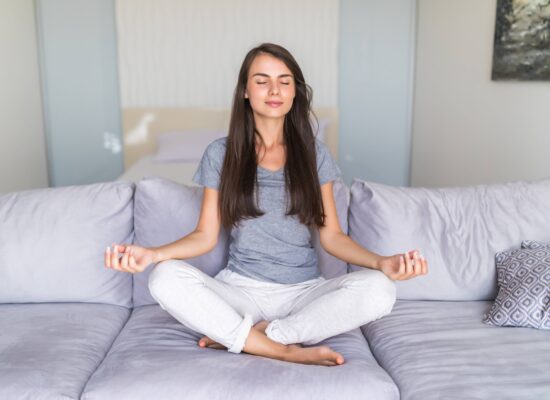
[…] Why You Can’t Relax Even When Everything Is Fine […]
[…] you’ve noticed your mind constantly replaying situations you can’t change, our guide Why You Can’t Relax Even When Everything Is Fine explores why your brain sometimes struggles to leave “problem-solving mode,” even when […]