




Have you ever caught yourself saying,
Table Of Content
- What Is Stress?
- What Is Anxiety?
- Stress vs. Anxiety: Why People Confuse Them
- Anxiety vs. Stress: Key Differences
- Symptoms Stress and Anxiety Have in Common
- Physical Symptoms
- Emotional Symptoms
- Cognitive Symptoms
- Can Stress Turn Into Anxiety?
- How to Tell Whether You’re Experiencing Stress or Anxiety
- Practical Ways to Manage Stress and Anxiety
- 1. Practice Slow, Intentional Breathing
- 2. Move Your Body Every Day
- 3. Challenge Unhelpful Thoughts
- 4. Improve Your Sleep Routine
- 5. Build Small Daily Recovery Moments
- When Should You Seek Professional Help?
- Final Thoughts
- Frequently Asked Questions
“I’m so anxious.”
…when what you actually meant was,
“I’m really stressed.”
You’re not alone.
Many people use stress and anxiety interchangeably because they often feel similar. Both can make your heart race, disrupt your sleep, affect your mood, and leave you feeling mentally exhausted.
But despite these similarities, they aren’t the same thing.
Understanding the difference matters because the right way to manage stress isn’t always the same as managing anxiety. If you’re new to the topic, it helps to first understand what stress is, what causes it, and how it affects both the mind and body, since anxiety and stress often overlap in everyday life.
Knowing what you’re experiencing can help you choose healthier coping strategies and recognize when it’s time to seek additional support.
In this guide, you’ll learn:
- What stress and anxiety actually are
- How they differ
- Symptoms they share
- How to tell which one you’re experiencing
- Practical ways to feel calmer and regain control
Whether you’re feeling overwhelmed by work, constantly worrying about the future, or simply trying to understand your emotional wellbeing, this article will help you make sense of what your mind and body may be telling you.
What Is Stress?
Stress is your body’s natural response to a challenge, demand, or perceived threat.
It’s a survival mechanism that has helped humans adapt to difficult situations for thousands of years.
Imagine you’re about to give an important presentation.
Your palms become sweaty.
Your heart beats faster.
Your breathing changes.
Your brain becomes more alert.
This is your body’s fight-or-flight response preparing you to handle the situation.
When your brain detects stress, it signals the release of hormones like adrenaline and cortisol. These hormones temporarily increase your energy, sharpen your focus, and prepare your body to respond quickly.
In many situations, this response is actually helpful.
Stress can motivate you to:
- Finish an important project
- Study for an exam
- Meet a deadline
- React quickly in an emergency
- Solve challenging problems
Once the stressful event ends, your nervous system usually returns to its normal, balanced state.
Problems begin when stress doesn’t go away.
One of the biggest challenges is recognizing the early signs of chronic stress before they begin affecting your sleep, mood, and overall wellbeing.
If work pressure, financial worries, caregiving responsibilities, or ongoing life challenges keep your stress response activated for weeks or months, it may develop into chronic stress.
Over time, chronic stress can affect nearly every part of your wellbeing – including your sleep, concentration, mood, immune system, and physical health.

What Is Anxiety?
Anxiety is different.
While stress is usually connected to a specific challenge or situation, anxiety often continues even after the original problem has disappeared—or it may develop without an obvious trigger at all.
Think about someone who has already finished an important presentation.
The meeting went well.
Their colleagues were supportive.
Nothing went wrong.
Yet hours later, they continue replaying every detail in their mind:
“Did I say something embarrassing?”
“What if they secretly thought I wasn’t prepared?”
“Maybe I should have answered differently.”
That persistent worry is more characteristic of anxiety than stress.
Anxiety involves ongoing feelings of fear, worry, or apprehension about future events or uncertain situations. It can affect your thoughts, emotions, and physical health—even when there’s no immediate danger.
Everyone experiences anxiety from time to time.
Feeling nervous before an interview, moving to a new city, or waiting for important medical results is completely normal.
However, when anxiety becomes frequent, intense, or begins interfering with daily life, it may be helpful to seek support from a qualified healthcare or mental health professional.
It’s important to remember that feeling anxious doesn’t necessarily mean you have an anxiety disorder. Many people experience temporary anxiety during stressful periods of life.

Stress vs. Anxiety: Why People Confuse Them
One reason people struggle to tell stress and anxiety apart is that they activate many of the same physical responses.
Both can cause:
- A racing heart
- Faster breathing
- Muscle tension
- Restlessness
- Trouble concentrating
- Irritability
- Poor sleep
- Fatigue
This happens because both involve activation of your body’s stress response system.
However, the trigger behind these feelings is often what separates stress from anxiety.
Persistent aches and muscle tightness are among the most common physical symptoms of stress, yet many people mistakenly assume they’re caused by unrelated health problems.
A helpful way to think about it is this:
Stress usually begins with an external challenge. Anxiety often continues because of internal thoughts and ongoing worry.
For example:
You have an important deadline at work.
You feel stressed while preparing the project.
Once you submit it, your stress begins to decrease.
Now imagine a different scenario.
The deadline has passed.
Everything went well.
Yet your mind keeps asking:
“What if I made mistakes?”
“What if something goes wrong next week?”
“What if I’m not good enough?”
Those repetitive thoughts are more closely associated with anxiety.
Understanding this distinction makes it easier to choose coping strategies that match what you’re experiencing.
Anxiety vs. Stress: Key Differences
Although stress and anxiety can feel similar, there are several important differences.

Symptoms Stress and Anxiety Have in Common
Even though they are different experiences, stress and anxiety often share many physical and emotional symptoms.
Some of the most common include:
Physical Symptoms
- Headaches
- Tight shoulders or neck
- Muscle tension
- Fatigue
- Digestive discomfort
- Increased heart rate
- Sweating
- Sleep difficulties
Emotional Symptoms
- Irritability
- Feeling overwhelmed
- Restlessness
- Difficulty relaxing
- Mood changes
- Feeling emotionally drained
Cognitive Symptoms
- Trouble concentrating
- Forgetfulness
- Racing thoughts
- Difficulty making decisions
- Reduced mental clarity
Because these symptoms overlap, many people assume they’re experiencing one when it’s actually the other—or sometimes both at the same time.
The next step is understanding how stress can gradually contribute to anxiety, and how you can recognize when that transition may be happening.
Can Stress Turn Into Anxiety?
The short answer is yes, it can, although not everyone who experiences chronic stress will develop an anxiety disorder.
Think of stress and anxiety as two closely connected experiences rather than two completely separate conditions.
Imagine you’re under pressure at work for several months.
Deadlines keep piling up.
You’re sleeping less.
You start skipping meals.
Your weekends become catch-up days instead of rest days.
Initially, your body responds with stress because there’s a clear reason for feeling overwhelmed.
But if this pattern continues, something changes.
Even after work slows down, your body may continue acting as though the pressure never ends.
You might notice yourself worrying about situations that previously didn’t bother you.
Small uncertainties begin to feel much bigger.
Your mind starts preparing for problems that haven’t even happened.
This is one way chronic stress can contribute to ongoing anxiety.
From a biological perspective, prolonged stress keeps the sympathetic nervous system—often called the body’s “fight-or-flight” system – activated for extended periods.
When this happens, the brain becomes more alert to potential threats.
It’s almost like your internal alarm system becomes overly sensitive.
Instead of responding only to genuine danger, it begins reacting to everyday situations as though they’re emergencies.
That’s why recognizing and managing stress early is so important.
Related reading: If you’ve been feeling overwhelmed for weeks, explore Early Signs of Chronic Stress You Shouldn’t Ignore to understand how prolonged stress affects both your mind and body.

How to Tell Whether You’re Experiencing Stress or Anxiety
Sometimes the difference becomes clearer when you ask yourself a few simple questions.

Remember, these experiences can overlap.
Many people experience stress and anxiety at the same time.
Understanding the difference simply helps you choose the most appropriate coping strategies.
Practical Ways to Manage Stress and Anxiety
Although stress and anxiety aren’t identical, many healthy lifestyle habits support both.
The goal isn’t to eliminate every stressful situation.
Instead, it’s to help your nervous system recover more effectively.
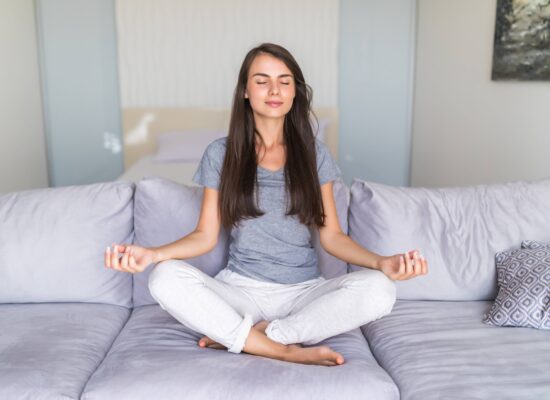
1. Practice Slow, Intentional Breathing
When you’re stressed or anxious, breathing often becomes faster and shallower.
Slowing your breathing sends a signal to your brain that you’re safe.
Try this simple exercise:
- Inhale through your nose for four seconds.
- Hold your breath for two seconds.
- Exhale slowly through your mouth for six seconds.
- Repeat for five minutes.
Many people notice their heart rate slowing and their thoughts becoming clearer after just a few minutes.
Related Reading: Explore Simple Mental Wellness Routines That Actually Work for more breathing and mindfulness practices you can use every day.

2. Move Your Body Every Day
Exercise isn’t only good for physical health.
It also helps regulate stress hormones and supports emotional wellbeing.
You don’t need an intense workout.
A 20–30 minute walk, gentle yoga session, or light cycling can help your nervous system transition out of a heightened state of alertness.
Consistency matters more than intensity.

3. Challenge Unhelpful Thoughts
When anxiety takes over, our minds often assume the worst.
Instead of accepting every thought as fact, pause and ask yourself:
- Is there evidence this will happen?
- Am I predicting the future?
- What would I tell a friend in this situation?
- Is there another explanation?
This simple habit encourages more balanced thinking.

4. Improve Your Sleep Routine
Poor sleep makes stress and anxiety harder to manage.
Likewise, stress and anxiety often make it difficult to sleep.
Creating a consistent bedtime routine can help break this cycle.
Consider:
- Limiting screen time an hour before bed.
- Keeping your bedroom cool and dark.
- Avoiding caffeine late in the day.
- Going to bed and waking up at similar times each day.
If racing thoughts keep you awake, writing them down before bed may help clear your mind.
Related Reading: Learn why Overthinking at Night: Why Your Mind Won’t Switch Off happens and practical ways to quiet your thoughts before sleep.

5. Build Small Daily Recovery Moments
Many people believe stress recovery only happens during vacations.
In reality, your nervous system benefits from small moments of recovery throughout the day.
These can include:
- Taking a five-minute walk outside.
- Stretching between meetings.
- Drinking water without checking your phone.
- Practicing gratitude.
- Listening to calming music.
- Spending time with supportive friends or family.
These simple habits help your brain shift from constant alertness toward a calmer, more balanced state.
Related Reading: Learn Simple Daily Habits That Reduce Mental Stress for more practical ideas you can start today.
When Should You Seek Professional Help?
Feeling stressed or anxious from time to time is a normal part of life.
However, if your symptoms:
- continue for several weeks,
- become more intense,
- interfere with work or relationships,
- affect your sleep regularly,
- or make it difficult to enjoy daily life,
it’s important to speak with a qualified healthcare or mental health professional.
Seeking support isn’t a sign of weakness.
It’s a proactive step toward understanding what you’re experiencing and finding strategies that work for you.
Early support often leads to better outcomes and can help prevent symptoms from becoming more difficult to manage.
Final Thoughts
Stress and anxiety are closely connected, but they aren’t the same.
Stress usually begins with an external challenge and often improves once the situation changes.
Anxiety, on the other hand, can persist even after the stressful event has passed, fueled by ongoing worry and uncertainty.
Learning to recognize the difference empowers you to respond with greater awareness rather than simply pushing through.
Most importantly, remember that you don’t need to wait until you’re completely overwhelmed before taking action.
Small, consistent habits – such as mindful breathing, regular movement, better sleep, and daily mental wellness practices – can make a meaningful difference over time.
By understanding what your mind and body are communicating, you can begin building healthier ways to manage life’s challenges while protecting your long-term mental wellbeing.






No Comment! Be the first one.