



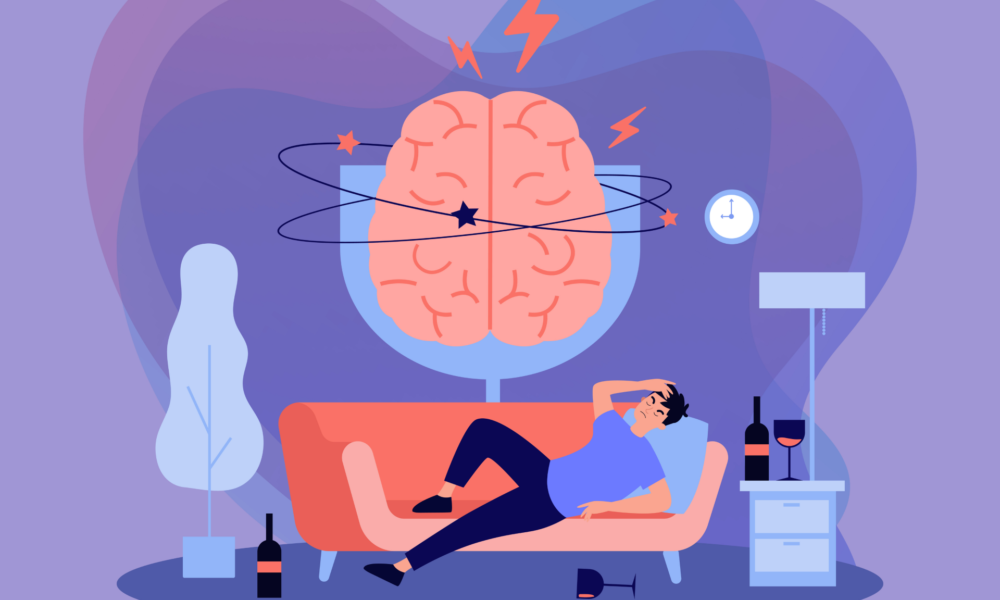
Mental overload doesn’t arrive suddenly. It builds gradually, often unnoticed, until the mind feels crowded, scattered, and unable to focus. Even simple tasks can feel demanding when mental overload takes hold.
Table Of Content
- What Is Mental Overload?
- Why Mental Overload Is So Common Today
- Everyday Causes of Mental Overload
- Signs Your Mind Is Overloaded
- Common Signs
- Mental Overload and Stress
- How Mental Overload Affects Daily Life
- The Physical Side of Mental Overload
- Why Taking “More Breaks” Isn’t Always Enough
- Simple Ways to Reduce Mental Overload
- Gentle Strategies That Help
- Supporting Mental Clarity Over Time
- When Mental Overload Shouldn’t Be Ignored
- Frequently Asked Questions
This experience is increasingly common in modern life, where constant information, responsibilities, and expectations compete for attention.
Understanding mental overload helps you recognize its signs early and respond with care rather than frustration.
What Is Mental Overload?
Mental overload occurs when the brain is required to process more information, decisions, or emotional input than it can comfortably handle.
When mental demands exceed mental capacity, the mind struggles to organize thoughts, prioritize tasks, and maintain clarity.
Mental overload is closely linked to constant stress, decision fatigue, and emotional strain.
Why Mental Overload Is So Common Today
Modern environments rarely allow the mind to rest.
Everyday Causes of Mental Overload
- Constant notifications and digital input
- Multitasking
- Work and personal responsibilities overlapping
- Emotional labor and expectations
- Lack of downtime
Even when individual tasks seem manageable, their combined effect overwhelms the mind over time.

Signs Your Mind Is Overloaded
Mental overload often shows up through subtle signs rather than dramatic symptoms.
Common Signs
- Difficulty concentrating
- Forgetfulness
- Feeling mentally “foggy”
- Irritability
- Emotional exhaustion
These signs are often mistaken for laziness or lack of motivation, when they are actually signals that the mind needs relief.
Mental Overload and Stress
Overthinking doesn’t just delay sleep; it affects its quality.
Stress plays a central role in mental overload.
As explained in What Is Stress?, stress keeps the nervous system in a state of alertness. When this state continues without recovery, mental resources become depleted.
This ongoing stress makes it harder to process information efficiently, increasing the feeling that the mind is “too full.”
How Mental Overload Affects Daily Life
When the mind is overloaded, daily functioning becomes more difficult.
People experiencing mental overload often struggle with:
- Making decisions
- Staying focused
- Managing emotions
- Completing tasks efficiently
This overlap explains why mental overload is closely connected to decision fatigue, discussed in Decision Fatigue: Why Simple Choices Feel Exhausting.
The Physical Side of Mental Overload
Mental overload doesn’t remain purely mental. It often shows up physically.
Some people experience:
- Tension headaches
- Fatigue
- Sleep difficulties
- Muscle tightness
These symptoms overlap with physical stress symptoms, explored in Physical Symptoms of Stress You Might Mistake for Illness.
Why Taking “More Breaks” Isn’t Always Enough
Many people try to fix mental overload by taking short breaks while keeping the same mental demands.
While breaks help temporarily, overload often returns if:
- Mental stimulation remains constant
- Responsibilities stay unbalanced
- Boundaries aren’t adjusted
Reducing mental input is just as important as increasing rest.
Simple Ways to Reduce Mental Overload
Reducing mental overload involves creating space for the mind.
Gentle Strategies That Help
- Limiting multitasking
- Reducing digital notifications
- Scheduling focused work periods
- Creating simple routines
- Allowing mental downtime
These changes reduce the volume of information the brain needs to process.
For practical guidance, explore Simple Daily Habits That Reduce Mental Stress.

Supporting Mental Clarity Over Time
Mental clarity returns gradually as mental load decreases.
Consistency matters more than intensity. Small, repeated adjustments help the nervous system regain balance and restore cognitive clarity.
Reducing mental overload is not about doing less, it’s about doing what matters with greater ease.
When Mental Overload Shouldn’t Be Ignored
Occasional overload is normal. However, persistent mental overload can signal chronic stress or burnout.
If mental overload interferes with daily functioning, it may be time to reassess responsibilities, habits, and sources of stress.
Addressing these signals early helps protect long-term mental wellness.







No Comment! Be the first one.