



Almost everyone experiences anxiety at some point in life.
Table Of Content
- What Is Anxiety?
- Normal Anxiety vs. Anxiety Disorders
- Why Natural Anxiety Relief Techniques Work
- Technique 1: Slow Down Your Breathing
- Technique 2: Use the 5-4-3-2-1 Grounding Technique
- Technique 3: Move Your Body
- Technique 4: Practice Mindfulness Every Day
- Technique 5: Reduce Caffeine and Other Stimulants
- Technique 6: Prioritize Restful Sleep
- Technique 7: Challenge Unhelpful Thought Patterns
- Technique 8: Talk to Someone You Trust
- Technique 9: Spend More Time Outdoors
- Technique 10: Limit Information Overload
- Technique 11: Practice Progressive Muscle Relaxation
- Technique 12: Create a Daily Anxiety-Management Routine
- Morning
- Afternoon
- Evening
- When Should You Seek Professional Help?
- Final Thoughts
- Frequently Asked Questions
You might feel it before a job interview, an important presentation, a medical appointment, or a difficult conversation.
In situations like these, anxiety is completely normal. It’s your body’s natural way of preparing you to respond to uncertainty or potential challenges.
But what happens when anxious feelings begin appearing more often?
Maybe your heart races even when nothing seems wrong.
You constantly imagine worst-case scenarios.
You struggle to relax, even during your free time.
Your mind jumps from one worry to another without giving you a chance to rest.
If this sounds familiar, you’re not alone.
Modern life exposes us to a constant stream of responsibilities, notifications, financial pressures, relationship challenges, and information overload. While our brains evolved to respond to occasional threats, many people today experience stress so frequently that their nervous system rarely gets the opportunity to fully recover.
The encouraging news is that anxiety isn’t something you simply have to live with forever.
Although there isn’t a single technique that works instantly for everyone, research shows that consistent habits such as mindful breathing, regular movement, quality sleep, and nervous system regulation can significantly reduce anxiety over time.
This article explores practical, science-backed ways to calm anxiety naturally, helping you better understand what’s happening inside your brain and body while providing realistic strategies you can begin using today.
Whether your anxiety is occasional or you’ve been feeling overwhelmed for weeks, these techniques can help you regain a greater sense of calm and control.
What Is Anxiety?
Anxiety is your body’s natural response to uncertainty, perceived danger, or stressful situations.
Think of it as your internal alarm system.
When your brain believes something might threaten your safety or wellbeing, it activates a series of physical and emotional changes designed to help you respond quickly.
This response is commonly known as the fight-or-flight response.
Within seconds, your body begins releasing stress hormones such as adrenaline and cortisol.
Your heart beats faster.
Your breathing becomes quicker.
Your muscles tighten.
Your senses become more alert.
These changes can be incredibly helpful if you’re facing immediate danger.
However, the same response becomes exhausting when it’s activated by everyday situations such as work deadlines, financial concerns, social pressure, or constant worrying.
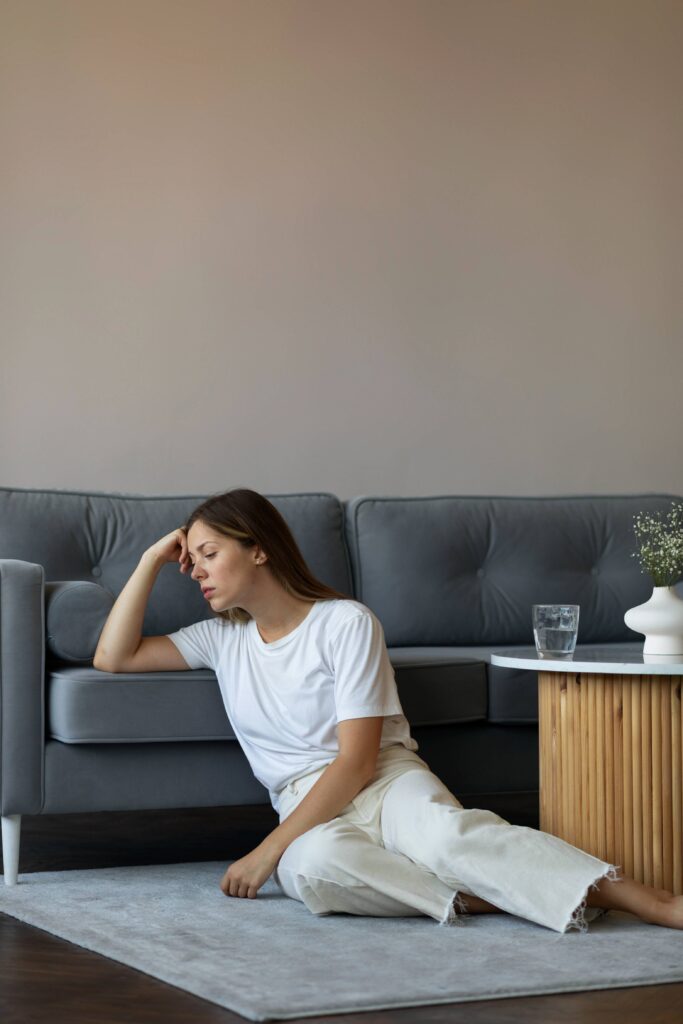
In these cases, your body reacts as though you’re facing a serious threat, even when you’re physically safe.
Understanding this response is an important first step toward managing anxiety.
Rather than viewing anxiety as something that’s “wrong” with you, it can be helpful to see it as a protective system that’s become a little too sensitive.
If you’d like a deeper understanding of why your body reacts this way, our article How Stress Affects Your Nervous System (And How to Calm It Naturally) explains the biological connection between stress hormones, the nervous system, and emotional wellbeing.
Normal Anxiety vs. Anxiety Disorders
Feeling anxious from time to time is part of being human.
For example, you may feel nervous before:
- Starting a new job.
- Taking an exam.
- Speaking in public.
- Traveling somewhere unfamiliar.
- Having an important conversation.
These feelings usually decrease once the situation has passed.
An anxiety disorder is different.
Although only a qualified healthcare professional can diagnose an anxiety disorder, symptoms often:
- Occur frequently.
- Feel difficult to control.
- Continue even when there’s no immediate danger.
- Interfere with work, relationships, sleep, or daily life.
It’s important not to diagnose yourself based on internet articles.
The purpose of this guide is to help you understand anxiety and explore healthy coping strategies, not to replace professional medical advice.
If your symptoms are persistent or significantly affecting your daily life, speaking with a healthcare professional is an important next step.
If you’re unsure whether you’re experiencing stress or anxiety, our guide Anxiety vs. Stress: What’s the Difference? explains the similarities and key differences between these two experiences.
Why Natural Anxiety Relief Techniques Work
When people hear the phrase “natural anxiety relief,” they sometimes assume it means ignoring science or avoiding professional treatment.
In reality, many natural strategies are supported by decades of psychological and physiological research.
These techniques don’t eliminate every stressful situation.
Instead, they help regulate the body’s stress response so that anxious thoughts and physical symptoms become easier to manage.
For example:
- Deep breathing slows the stress response.
- Physical activity helps regulate stress hormones.
- Mindfulness improves emotional awareness.
- Better sleep supports emotional regulation.
- Healthy routines strengthen resilience over time.
Rather than relying on a single solution, the goal is to combine several healthy habits that work together to support your nervous system.
Many of these strategies also reduce the risk of long-term emotional exhaustion, burnout, and chronic stress, making them valuable not only for anxiety but for overall mental wellbeing.
Technique 1: Slow Down Your Breathing
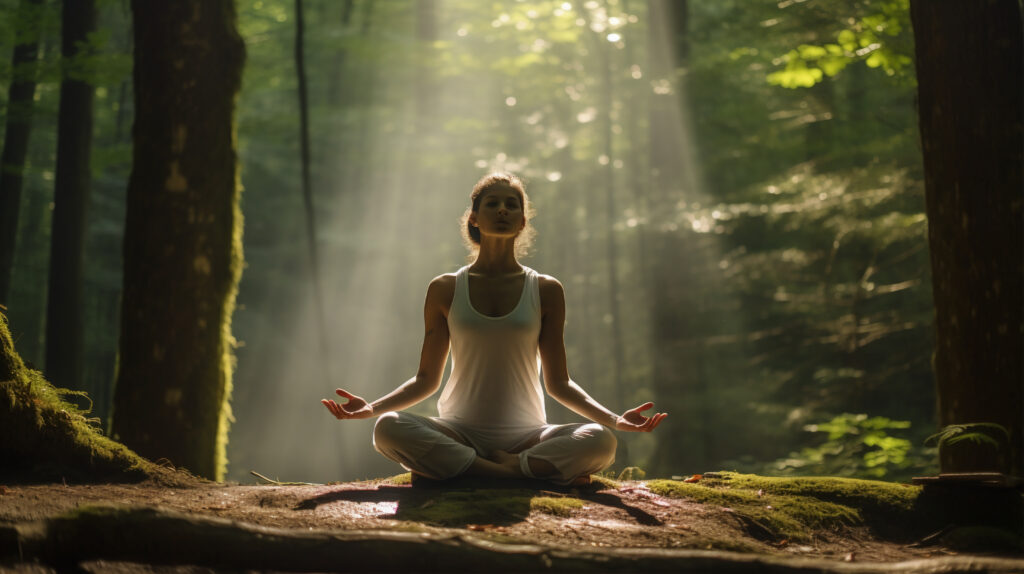
One of the fastest ways to calm anxiety is to focus on your breathing.
When anxiety increases, breathing often becomes shallow and rapid.
This sends another message to your brain that something is wrong, creating a cycle that makes anxious feelings even stronger.
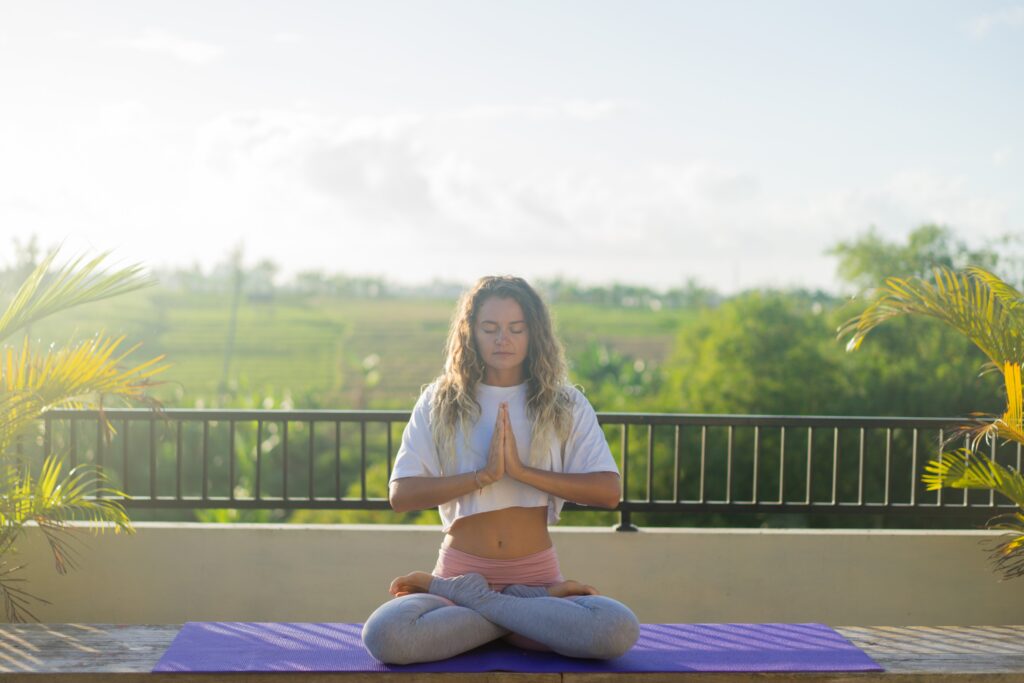
By intentionally slowing your breath, you can begin interrupting this cycle.
Try this simple exercise:
- Sit comfortably with your shoulders relaxed.
- Inhale slowly through your nose for four seconds.
- Hold your breath for two seconds.
- Exhale gently through your mouth for six seconds.
- Repeat for five to ten minutes.
You don’t need to force deep breaths.
Instead, aim for slow, gentle breathing that feels comfortable.
Practicing this technique consistently can help your body activate the parasympathetic nervous system, which supports relaxation and recovery.
For a deeper explanation of why breathing works so effectively, read How to Recover from Chronic Stress: 12 Science-Backed Ways to Reset Your Mind and Body, where we explore breathing as one of the most powerful recovery tools.
Technique 2: Use the 5-4-3-2-1 Grounding Technique

When anxiety becomes intense, your thoughts often race into the future.
You may imagine everything that could go wrong, making it difficult to stay connected to the present moment.
Grounding techniques help interrupt this cycle by bringing your attention back to your immediate surroundings.
One of the most effective methods is the 5-4-3-2-1 grounding technique.
Notice:
- 5 things you can see.
- 4 things you can touch.
- 3 things you can hear.
- 2 things you can smell.
- 1 thing you can taste.
This exercise gently shifts your focus away from anxious thoughts and toward your current environment.
It doesn’t make anxiety disappear instantly, but it often reduces its intensity enough to help you think more clearly.
If anxiety frequently causes mental overload, grounding exercises can create a helpful pause before your thoughts begin spiraling.
Technique 3: Move Your Body
When anxiety activates your fight-or-flight response, your body prepares for action.
Physical movement gives your body a healthy way to release some of that built-up energy.
You don’t have to run a marathon.
Gentle, consistent movement can be incredibly effective.
Consider activities such as:
- Walking outdoors.
- Stretching.
- Yoga.
- Cycling.
- Swimming.
- Dancing.
- Light strength training.
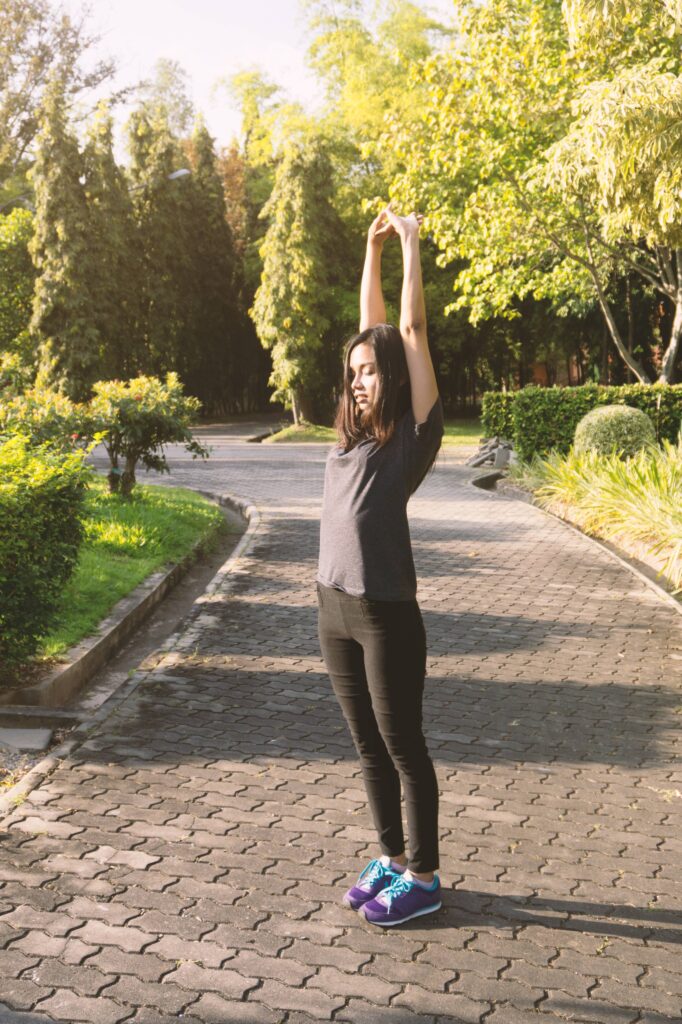
Exercise also supports the release of mood-regulating chemicals that promote relaxation and improve emotional wellbeing.
If you’ve noticed physical symptoms of stress you might mistake for illness, regular movement may also help reduce muscle tension, headaches, and overall fatigue.
The goal isn’t perfection.
It’s consistency.
Even a 20-minute walk can make a meaningful difference.
Technique 4: Practice Mindfulness Every Day
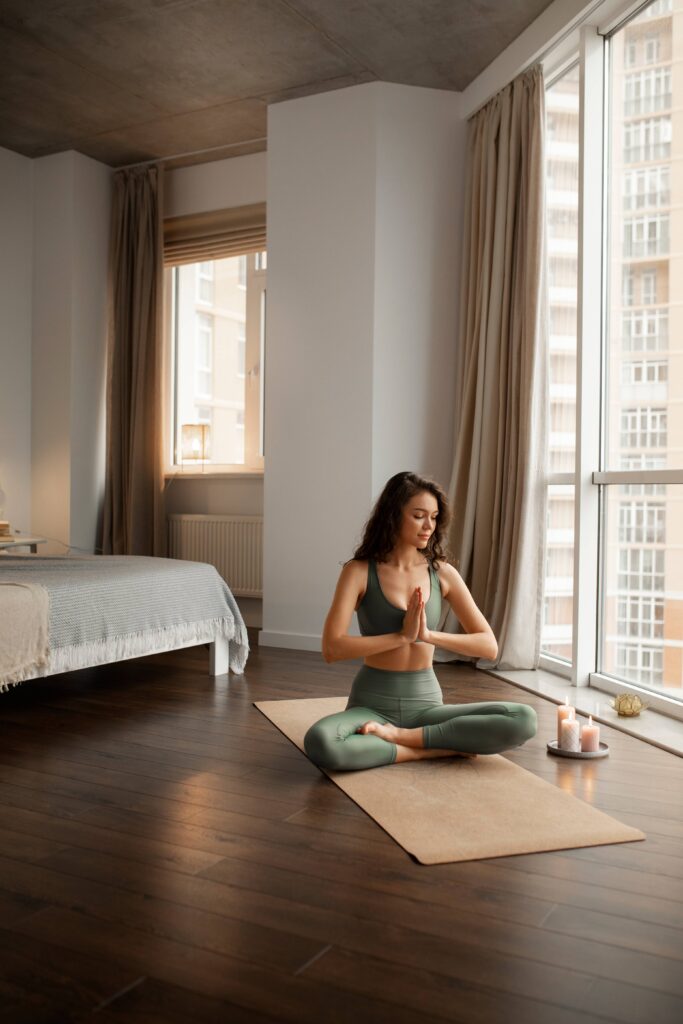
One of the biggest challenges with anxiety is that it constantly pulls your attention away from the present moment.
Your mind replays past mistakes.
It imagines future problems.
It creates “what if” scenarios that may never happen.
Mindfulness helps interrupt this cycle.
Rather than trying to stop your thoughts completely, mindfulness teaches you to notice them without immediately reacting to them.
Imagine sitting beside a river.
Your thoughts are like leaves floating downstream.
Instead of jumping into the river and chasing every leaf, you simply watch them pass.
That’s mindfulness.
Simple ways to practice mindfulness include:
- Taking five slow breaths before beginning work.
- Eating one meal without checking your phone.
- Paying attention to the sounds around you during a walk.
- Spending a few minutes observing your breath.
- Practicing a short guided meditation.
These small moments gradually teach your brain that not every anxious thought requires your attention.
If you’re new to mindfulness, our guide Simple Mental Wellness Routines That Actually Work includes practical beginner-friendly habits you can easily incorporate into your daily routine.
Likewise, if anxiety often leaves your thoughts feeling scattered, Mental Clarity: How to Clear a Busy Mind offers additional techniques to help improve focus and reduce mental clutter.
Technique 5: Reduce Caffeine and Other Stimulants
Many people don’t realize that their morning coffee may be making anxiety feel worse.
Caffeine stimulates the central nervous system.
While moderate amounts are safe for many people, excessive caffeine can produce symptoms that closely resemble anxiety, including:
- Rapid heartbeat
- Restlessness
- Shakiness
- Nervousness
- Difficulty sleeping
- Racing thoughts

If you’re already prone to anxiety, these effects can make it harder to distinguish between caffeine-related stimulation and anxious feelings.
This doesn’t necessarily mean you need to eliminate coffee completely.
Instead, consider:
- Reducing the number of caffeinated drinks you consume.
- Avoiding caffeine later in the afternoon.
- Choosing herbal tea in the evening.
- Drinking more water throughout the day.
Pay attention to how your body responds.
Small adjustments may have a surprisingly positive impact on your overall sense of calm.
If you’ve also been experiencing physical symptoms of stress you might mistake for illness, reducing excessive caffeine may help lessen palpitations, muscle tension, and feelings of jitteriness.
Technique 6: Prioritize Restful Sleep
Sleep and anxiety have a close, two-way relationship.
Anxiety can make it difficult to fall asleep.
Poor sleep can increase anxiety the following day.
This creates a cycle that becomes harder to break over time.
Improving your sleep habits helps regulate both your brain and your nervous system.
Try building a consistent evening routine by:
- Going to bed at the same time each night.
- Limiting screen time before sleep.
- Keeping your bedroom cool, dark, and quiet.
- Avoiding large meals and caffeine late in the evening.
- Practicing gentle breathing or meditation before bed.
Even if you don’t fall asleep immediately, creating a relaxing bedtime routine signals to your brain that it’s safe to begin winding down.
If racing thoughts tend to keep you awake, our article Overthinking at Night: Why Your Mind Won’t Switch Off explores why this happens and shares practical strategies to help quiet your mind before bedtime.

Technique 7: Challenge Unhelpful Thought Patterns
Anxiety often convinces us that our worst fears are certain to happen.
You might notice thoughts like:
- “Something bad is going to happen.”
- “I won’t be able to handle this.”
- “Everyone is judging me.”
- “If one thing goes wrong, everything will fall apart.”
These are examples of cognitive distortions, thinking patterns that can make situations seem more threatening than they really are.
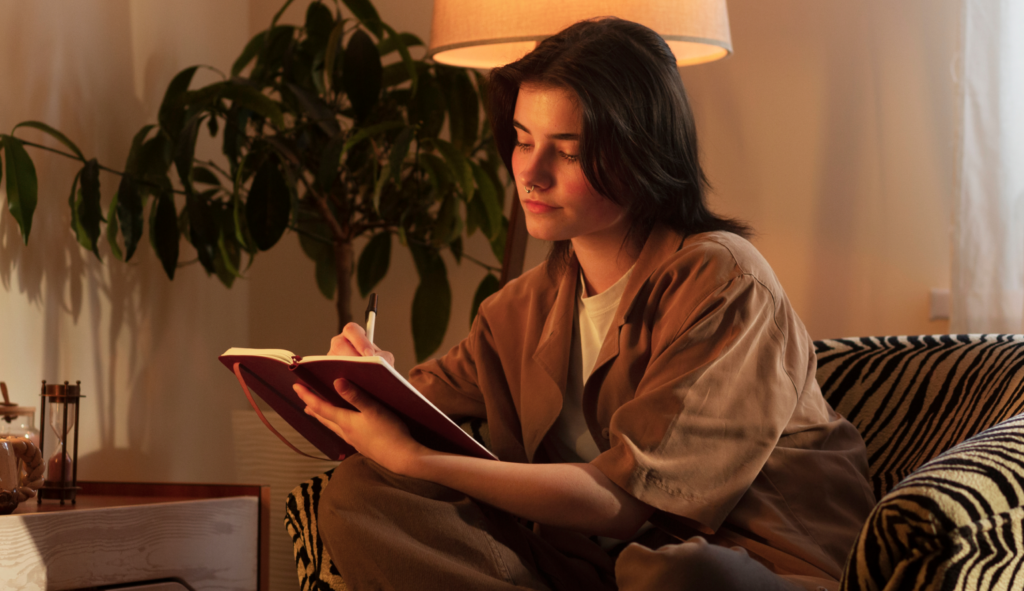
A helpful way to challenge these thoughts is to ask yourself:
- What evidence supports this thought?
- What evidence suggests it may not be true?
- Am I assuming the worst-case scenario?
- If a friend had this thought, what would I say to them?
You don’t need to force yourself into unrealistic optimism.
The goal is to replace catastrophic thinking with a more balanced and realistic perspective.
If you find yourself constantly analyzing situations or replaying conversations, our article Overthinking: Why Your Mind Won’t Switch Off explains why these thought loops occur and how to interrupt them.
Technique 8: Talk to Someone You Trust
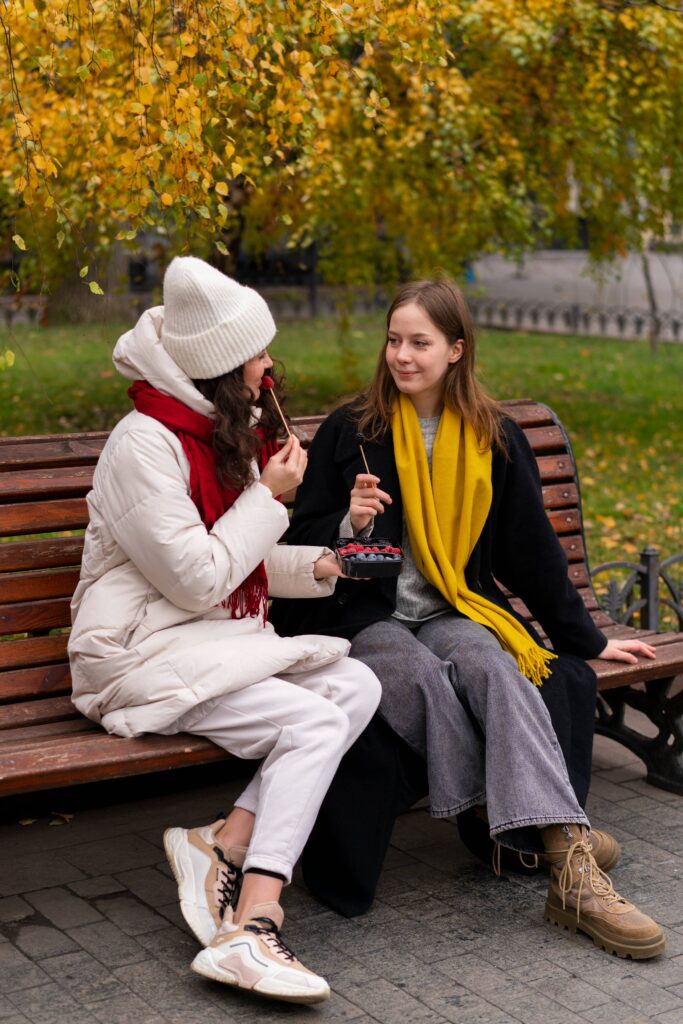
Anxiety has a way of making people feel isolated.
You may believe that no one understands what you’re experiencing or that asking for help will burden others.
In reality, talking to someone you trust is one of the healthiest ways to reduce emotional pressure.
That person might be:
- A close friend.
- A family member.
- A mentor.
- A trusted colleague.
- A counselor or therapist.
You don’t always need someone to solve your problems.
Sometimes you simply need someone to listen.
Sharing your thoughts out loud often helps organize them, making them feel less overwhelming.
If anxiety has left you feeling emotionally drained, our article Emotional Exhaustion: Signs, Causes, and How to Recover explains why emotional support plays such an important role in recovery.
Remember, seeking support isn’t a sign of weakness.
It’s one of the strongest coping skills you can develop.
Technique 9: Spend More Time Outdoors
Nature has a calming effect on both the brain and the nervous system.
Research suggests that spending time in green spaces can help lower stress, improve mood, and reduce symptoms of anxiety.
The best part?
You don’t need to spend an entire weekend hiking to experience these benefits.
Simple activities include:
- Walking through a local park.
- Sitting beneath a tree.
- Gardening.
- Watching a sunrise or sunset.
- Visiting a beach or lake.
- Listening to birds while taking a short walk.

Nature gently shifts your attention away from constant stimulation and gives your mind an opportunity to recover.
If anxiety often leaves you feeling mentally overwhelmed, spending time outdoors may also improve mental clarity by reducing cognitive fatigue and restoring your ability to focus.
Even 20 minutes outside can make a noticeable difference in how you feel.
Technique 10: Limit Information Overload

We live in a world where information never stops.
News alerts.
Social media updates.
Emails.
Messages.
Videos.
Podcasts.
Articles.
While staying informed is valuable, constant exposure to information can overwhelm your brain and increase anxiety.
Our brains weren’t designed to process thousands of pieces of information every day.
When you’re constantly consuming content, especially negative or emotionally charged news, your nervous system may remain in a heightened state of alertness.
This doesn’t mean you should avoid the news altogether.
Instead, create healthy boundaries around your information intake.
Try these simple habits:
- Check the news once or twice a day instead of every hour.
- Avoid scrolling through social media immediately after waking up.
- Turn off unnecessary notifications.
- Schedule screen-free time each evening.
- Replace some screen time with reading, walking, or meditation.
Creating space away from constant digital stimulation gives your mind an opportunity to recover.
If you’ve been feeling mentally drained by endless notifications and multitasking, our guide Mental Overload: When Your Mind Feels Too Full explains why reducing cognitive overload is essential for long-term mental wellbeing.
Technique 11: Practice Progressive Muscle Relaxation
Have you ever noticed your shoulders becoming tense when you’re anxious?
Or your jaw tightening without realizing it?
Anxiety doesn’t only affect your thoughts, it often shows up in your body.
Progressive Muscle Relaxation (PMR) is a simple technique that helps release this physical tension.
The idea is to gently tense one muscle group for a few seconds and then slowly relax it before moving to the next area of your body.
A basic routine might look like this:
- Tighten your hands into fists for five seconds, then relax.
- Lift your shoulders toward your ears, then release.
- Tighten your thighs, then let them soften.
- Curl your toes gently, then relax.
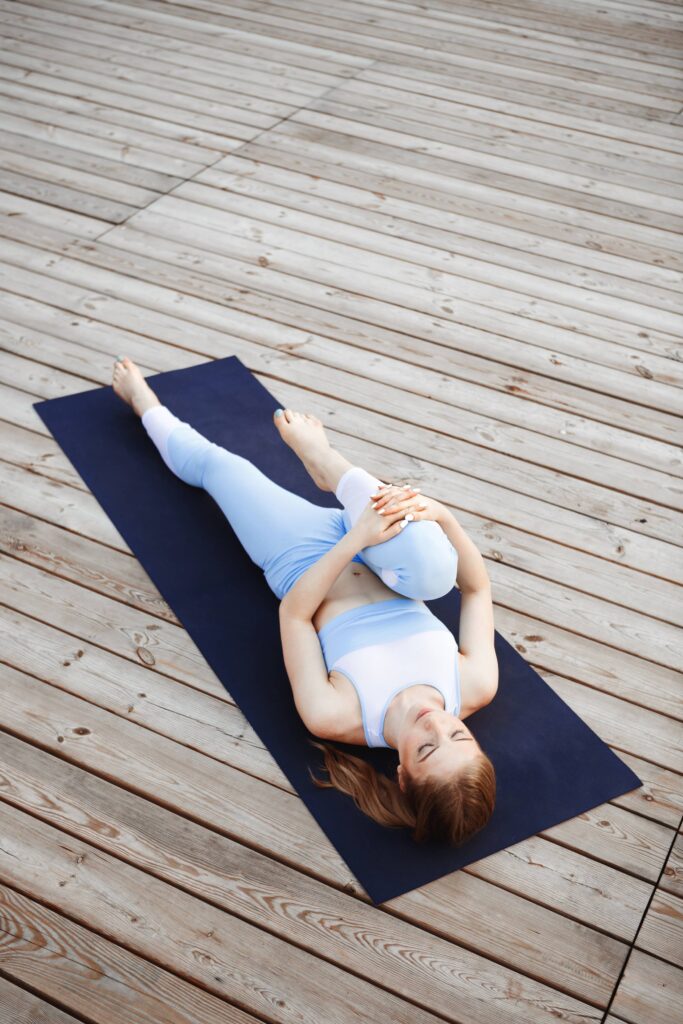
As you move through each muscle group, pay attention to the contrast between tension and relaxation.
Many people notice that as their muscles relax, their anxious thoughts begin to settle as well.
This works because the brain and body constantly communicate with one another.
Relaxing the body sends signals to your brain that you’re safe, helping activate the parasympathetic nervous system, which supports rest and recovery.
If anxiety often leaves you with headaches, muscle tightness, or unexplained aches, our article Physical Symptoms of Stress You Might Mistake for Illness explains why these symptoms occur and how relaxation techniques can help.
Technique 12: Create a Daily Anxiety-Management Routine
One of the most effective ways to reduce anxiety isn’t a single technique.
It’s consistency.
Rather than waiting until anxiety becomes overwhelming, build small calming habits into your everyday routine.
Think of it as maintaining your mental wellbeing rather than constantly trying to repair it.
A simple daily routine might include:
Morning
- Five minutes of deep breathing.
- Set one positive intention for the day.
- Avoid checking your phone immediately after waking.
Afternoon
- Take a short walk outside.
- Stretch for five minutes.
- Drink water and eat balanced meals.
Evening
- Reduce screen time before bed.
- Write down three things that went well today.
- Practice a short guided meditation.
- Go to bed at a consistent time.
These habits may seem simple, but together they help regulate your nervous system and strengthen your ability to manage stress.
If you’re looking for a complete daily framework, our article Simple Mental Wellness Routines That Actually Work provides an easy-to-follow routine that combines breathing exercises, mindfulness, and guided meditation into one sustainable practice.
Remember, anxiety doesn’t disappear because of one perfect day.
It improves through many small, consistent days.
When Should You Seek Professional Help?
Natural techniques can be incredibly effective for managing everyday anxiety.
However, there are times when professional support is the most appropriate next step.
Consider speaking with a healthcare or mental health professional if:
- Anxiety feels overwhelming most days.
- Worry interferes with work, school, or relationships.
- Panic attacks become frequent.
- You’re avoiding important activities because of fear.
- Anxiety significantly affects your sleep or appetite.
- Self-help strategies aren’t providing enough relief.
Professional support may include therapy, counseling, lifestyle recommendations, or other evidence-based treatments tailored to your needs.
Seeking help isn’t a sign of weakness.
It’s a proactive step toward improving your wellbeing.
The earlier anxiety is addressed, the easier it often becomes to manage before it begins affecting other areas of life.
Final Thoughts
Anxiety is a natural part of life.
Everyone experiences it from time to time.
But when anxiety becomes frequent or overwhelming, it can make even ordinary moments feel difficult.
The good news is that your brain and body are remarkably adaptable.
Small daily habits, such as mindful breathing, regular movement, better sleep, healthy boundaries, and supportive relationships, can gradually reduce anxiety and improve your overall sense of wellbeing.
You don’t need to master all twelve techniques overnight.
Choose one.
Practice it consistently.
Then add another.
Over time, these small changes create meaningful progress.
If you’ve also been experiencing chronic stress, emotional exhaustion, burnout symptoms, or mental overload, remember that anxiety often overlaps with these experiences.
Supporting your mental health as a whole is one of the best ways to reduce anxiety naturally and build lasting emotional resilience.
Every calm breath, every mindful pause, and every healthy choice is a step toward a more balanced and confident life.
Frequently Asked Questions
How can I calm anxiety naturally?
You can calm anxiety naturally by practicing deep breathing, mindfulness, regular physical activity, healthy sleep habits, spending time outdoors, limiting caffeine, reducing information overload, and building consistent daily routines that support your nervous system.
What is the fastest natural way to reduce anxiety?
Slow, controlled breathing is one of the quickest natural techniques. Exercises such as inhaling for four seconds and exhaling for six seconds can help activate the body’s relaxation response and reduce anxious feelings within minutes for many people.
Can anxiety go away without medication?
For some people, mild or occasional anxiety improves with lifestyle changes, stress management, therapy, and healthy coping strategies. Others may benefit from medication prescribed by a qualified healthcare professional. The best approach depends on the individual and the severity of symptoms.
Does exercise help reduce anxiety?
Yes. Regular physical activity helps regulate stress hormones, improve mood, and release endorphins, which support emotional wellbeing. Even a 20–30 minute walk can help reduce anxiety for many people.
Why does anxiety make my heart race?
Anxiety activates the fight-or-flight response, causing your body to release stress hormones like adrenaline. These hormones temporarily increase your heart rate and prepare your body to respond to perceived danger.
Can mindfulness reduce anxiety?
Research suggests that mindfulness can reduce anxiety by helping people become more aware of their thoughts and emotions without reacting automatically. Consistent mindfulness practice may improve emotional regulation and resilience over time.
Is anxiety the same as stress?
No. Stress is typically a response to an external challenge or pressure, while anxiety often involves persistent worry that may continue even after the stressful situation has passed. Although they are closely related, they are not the same.

Art of Wellness Team is a collective of mental wellness writers and researchers focused on stress, anxiety, and mental clarity. We create practical, evidence-informed content to help readers better understand their mental well-being and build healthier habits for everyday life.




No Comment! Be the first one.